
Chasing Trophy Trout Down Under:
A Guide for American Fly Anglers
Fellow American fly fishers, if you’ve battled the crowds on the Madison or stalked selective risers in the Rockies, imagine a place where the game elevates to epic proportions.
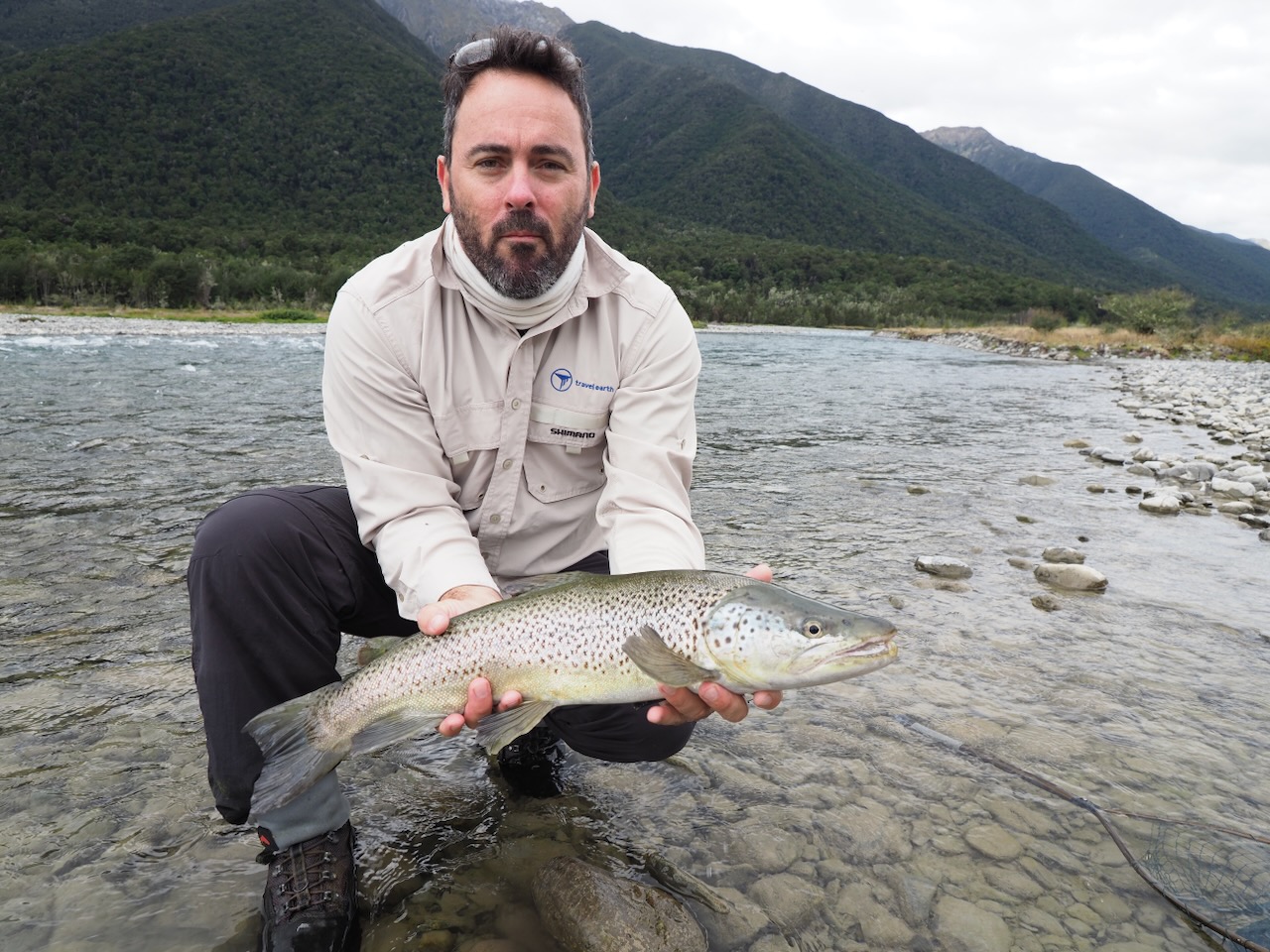
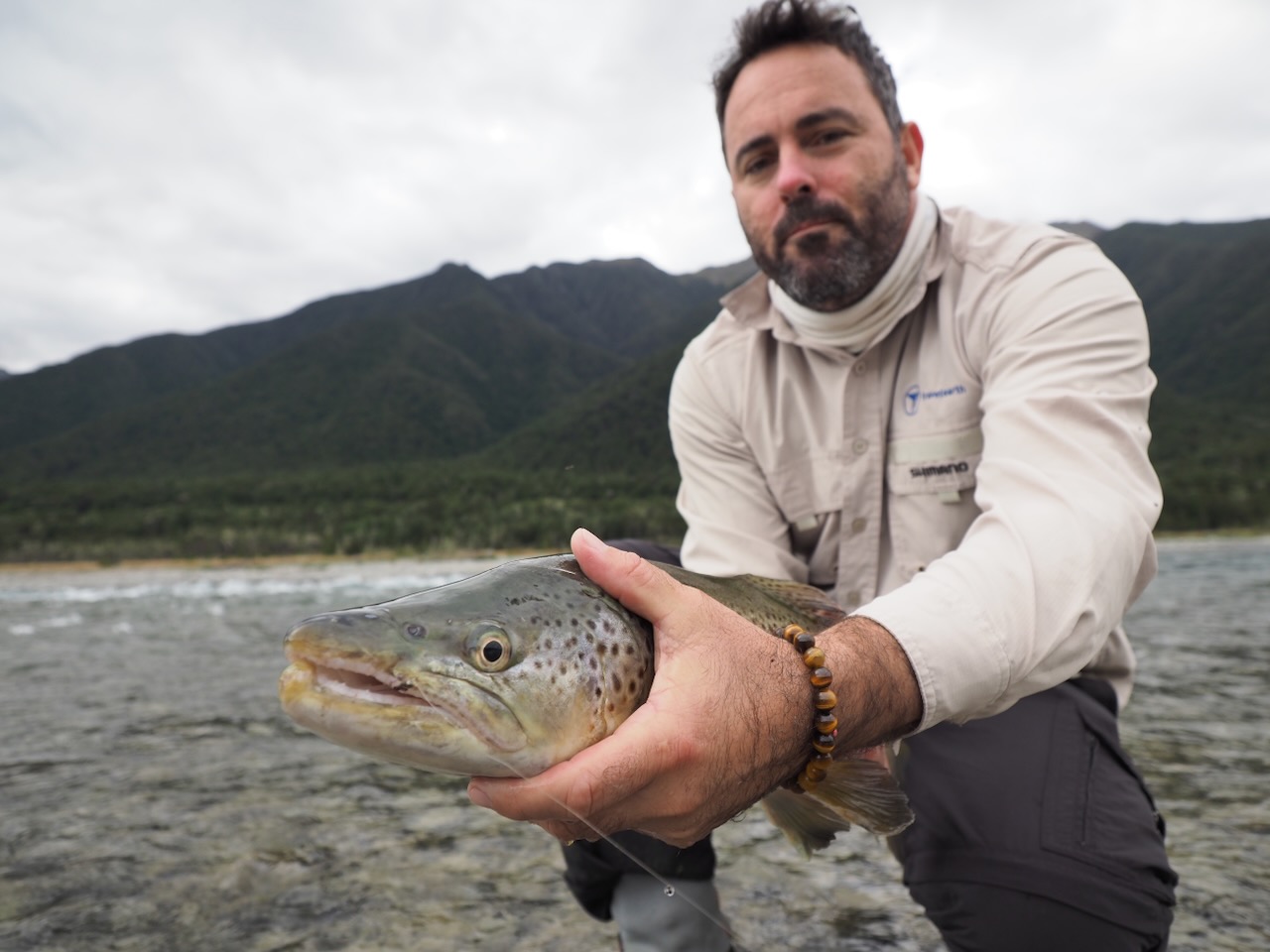
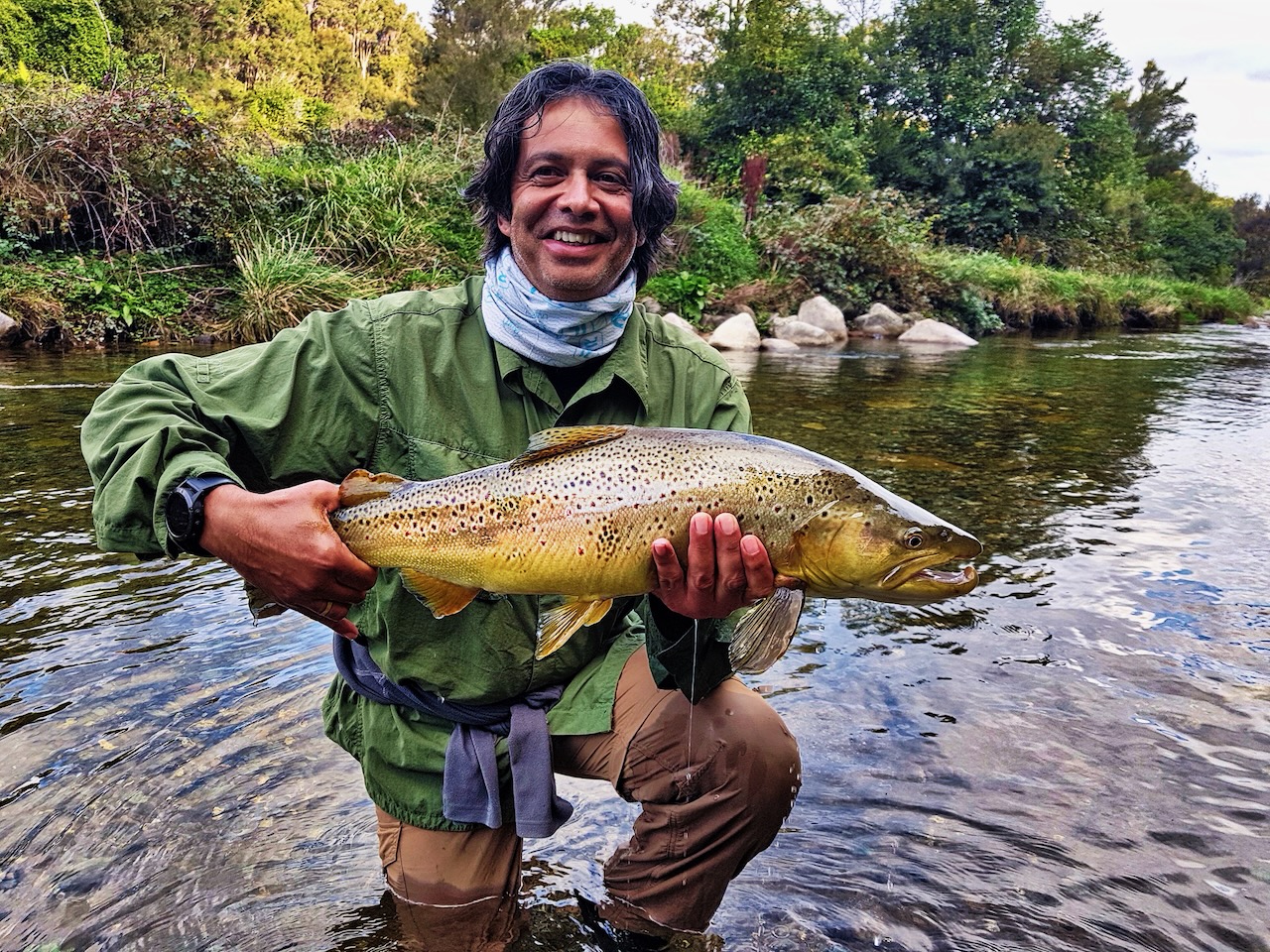
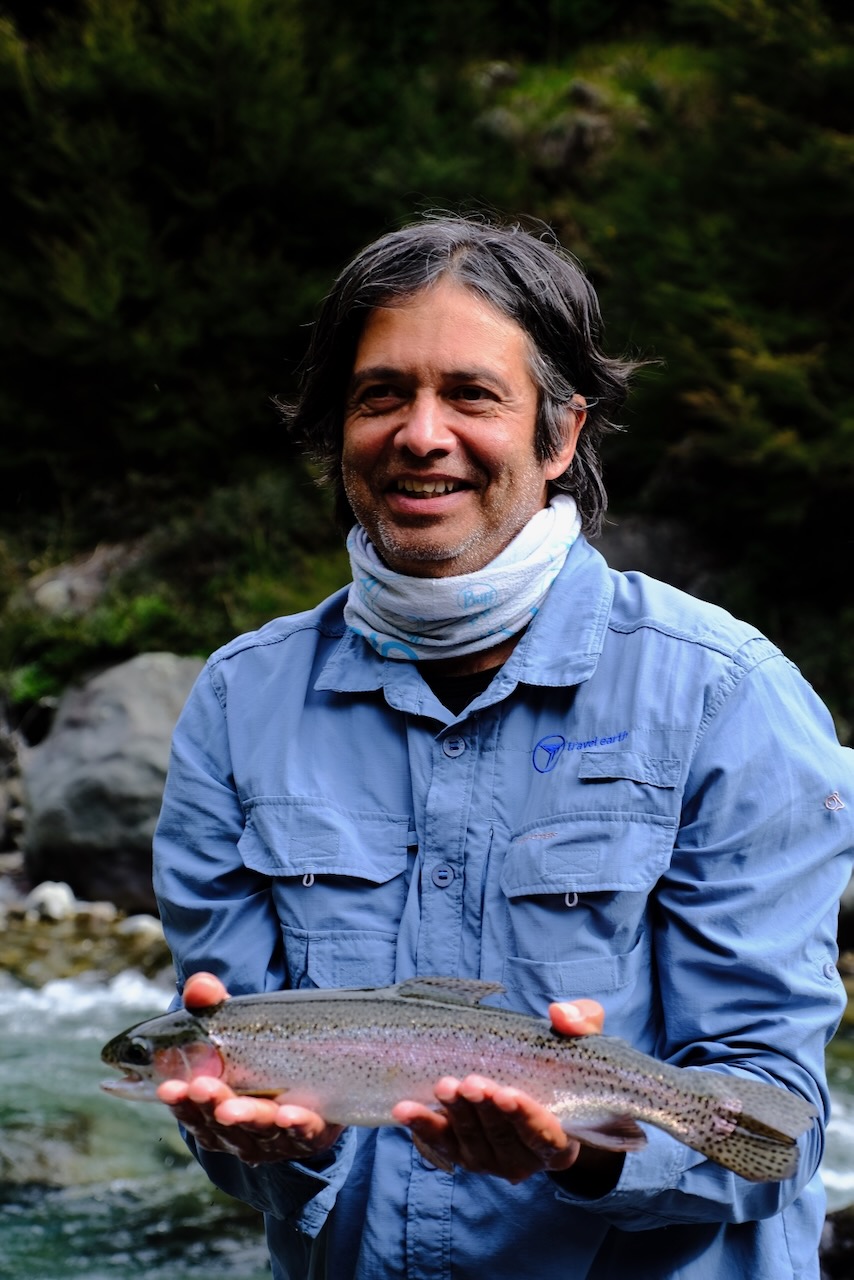
New Zealand’s South Island isn’t just another trout destination—it’s often dubbed the “Mount Everest of trout fishing,” a wild frontier where success is measured not in dozens of fish per day, but in those heart-pounding moments with a single, massive brown or rainbow.

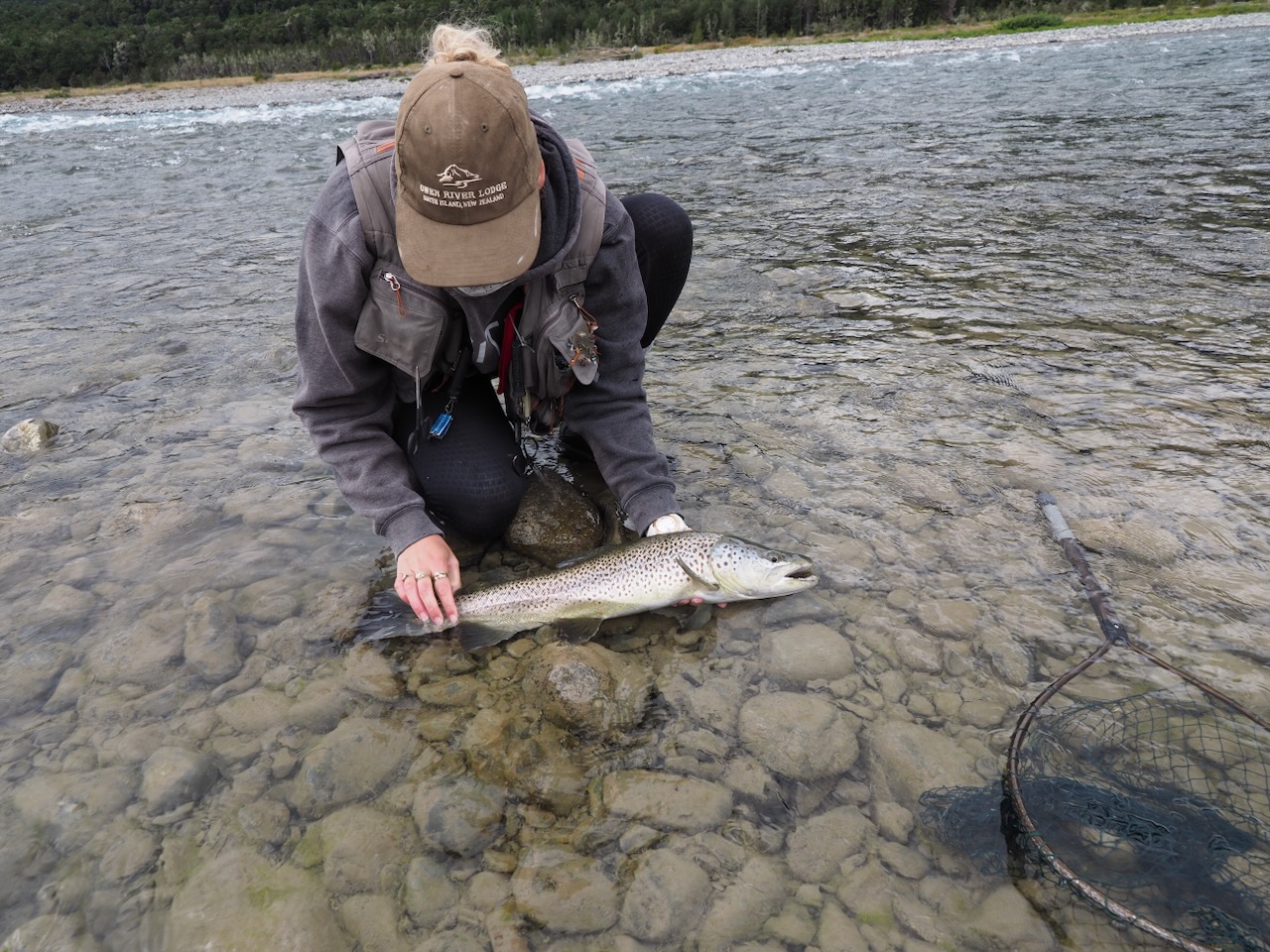
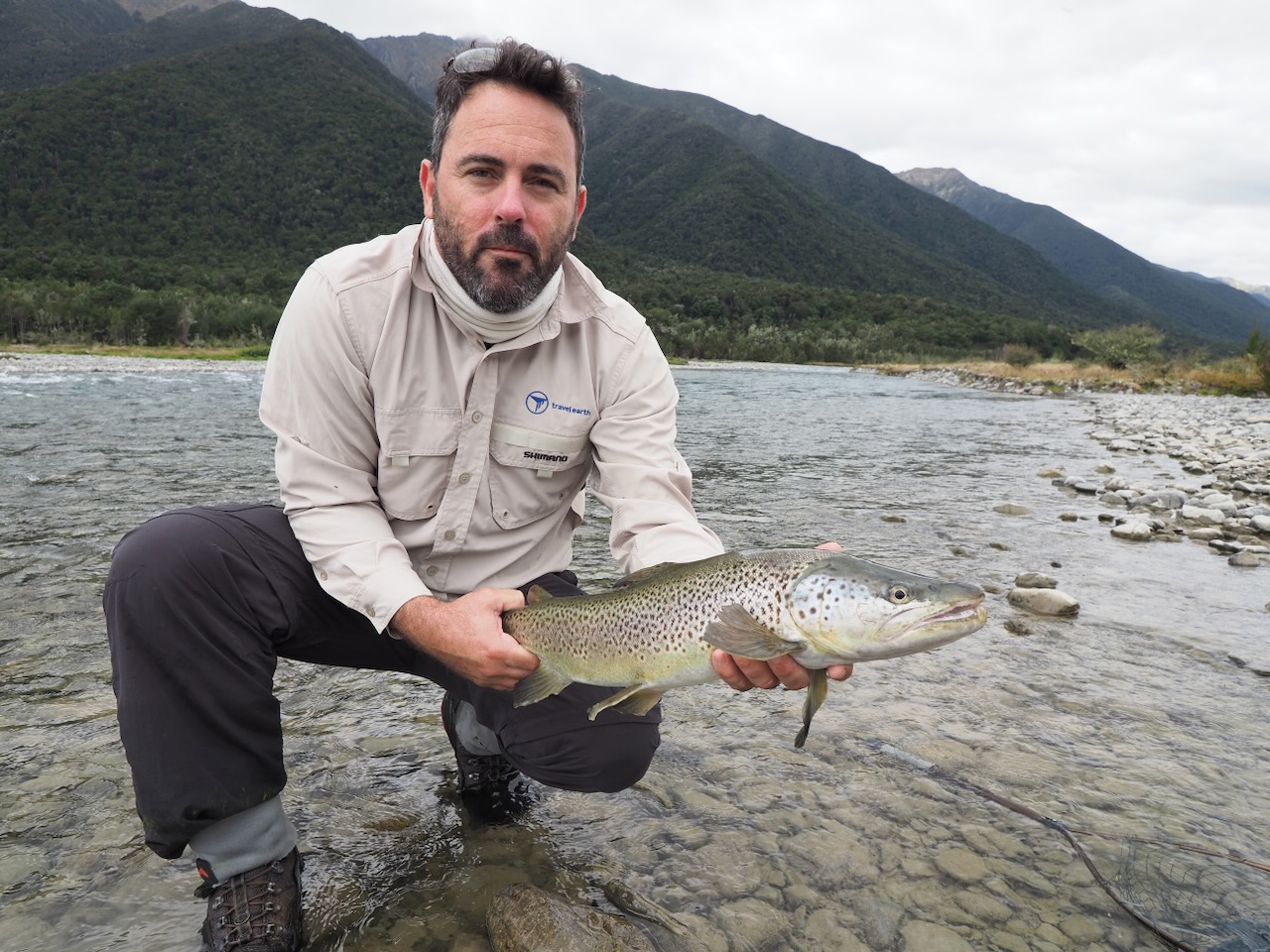
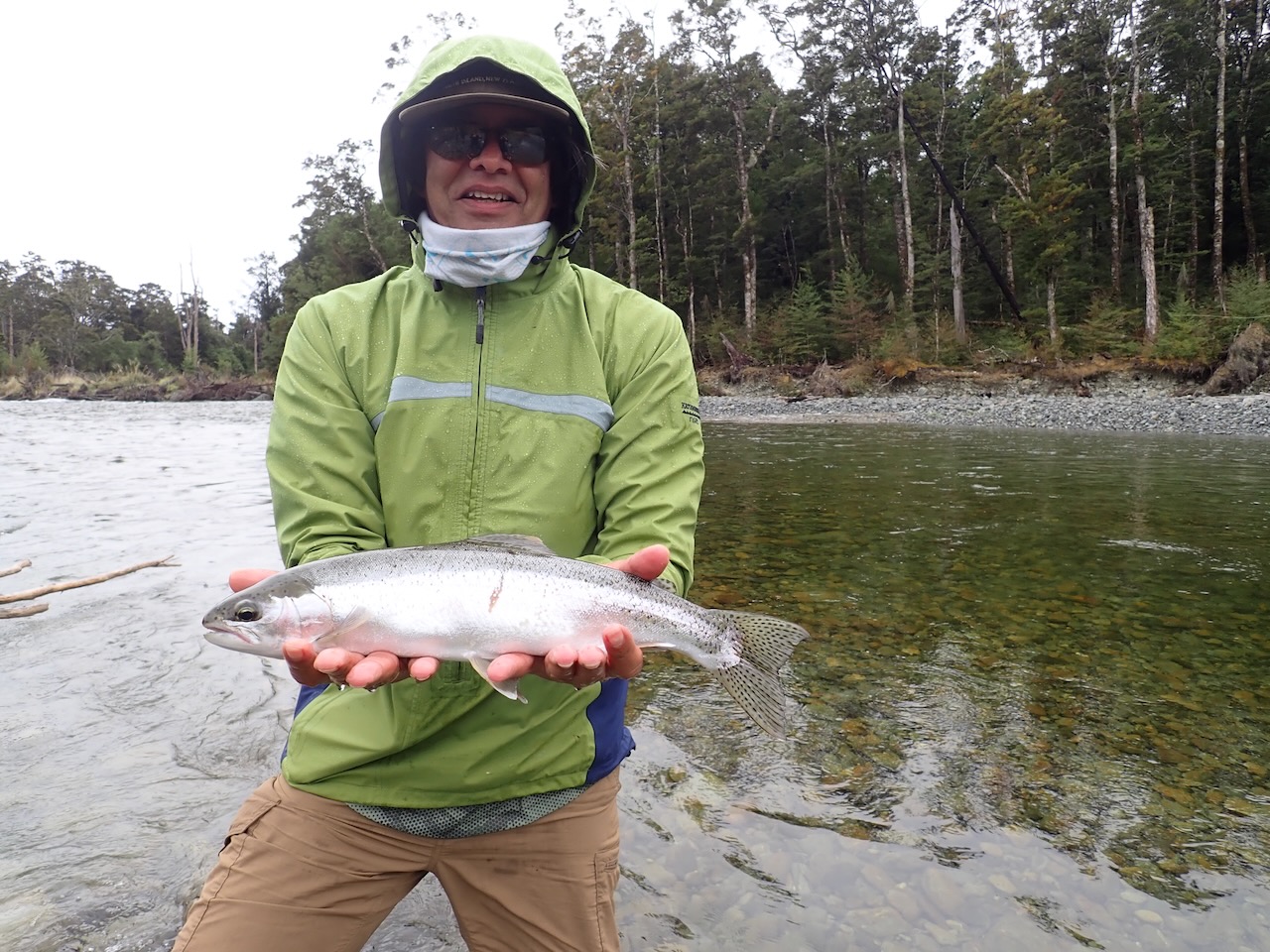
The rewards of a slow, deliberate approach in New Zealand’s backcountry.
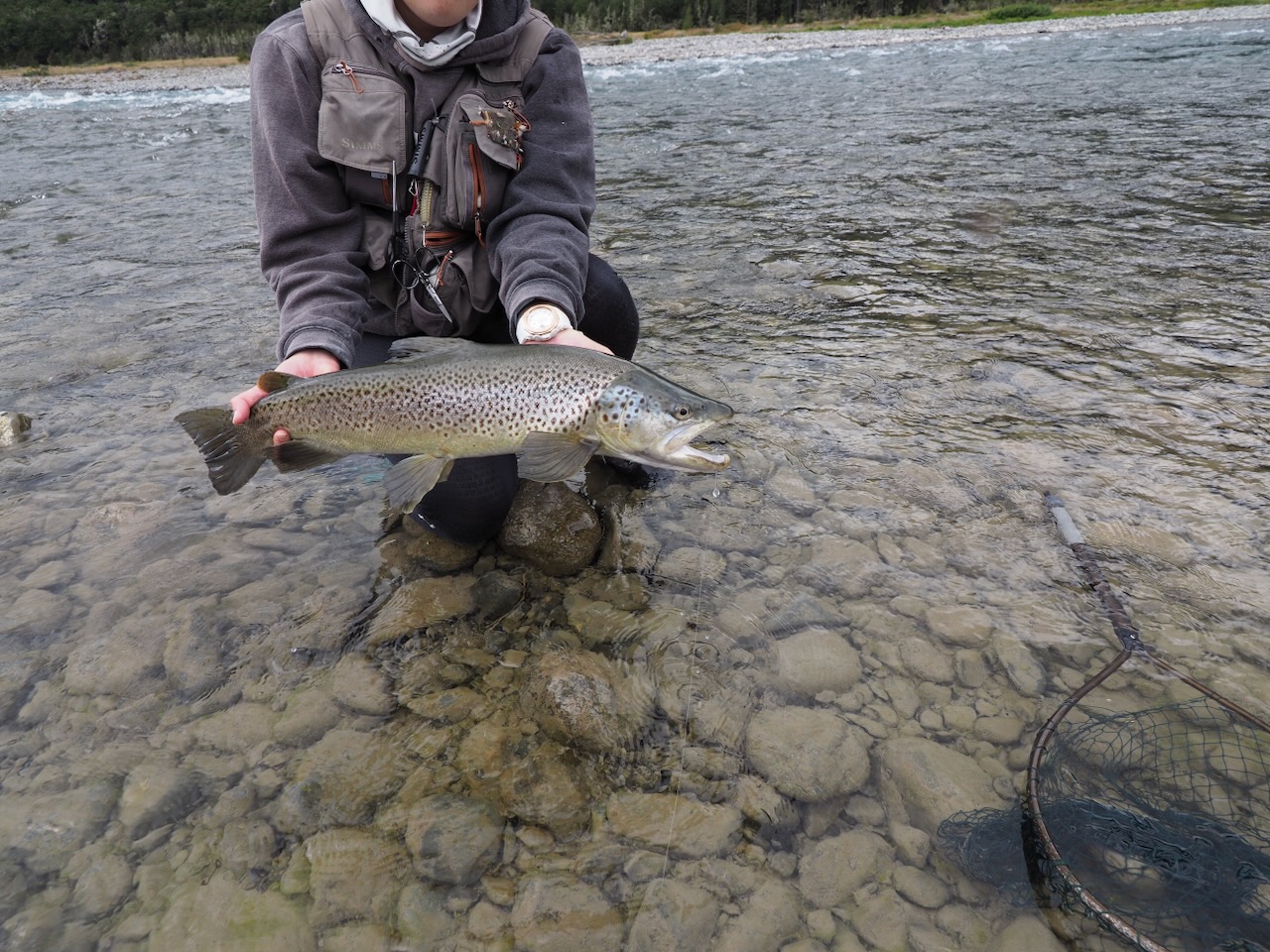
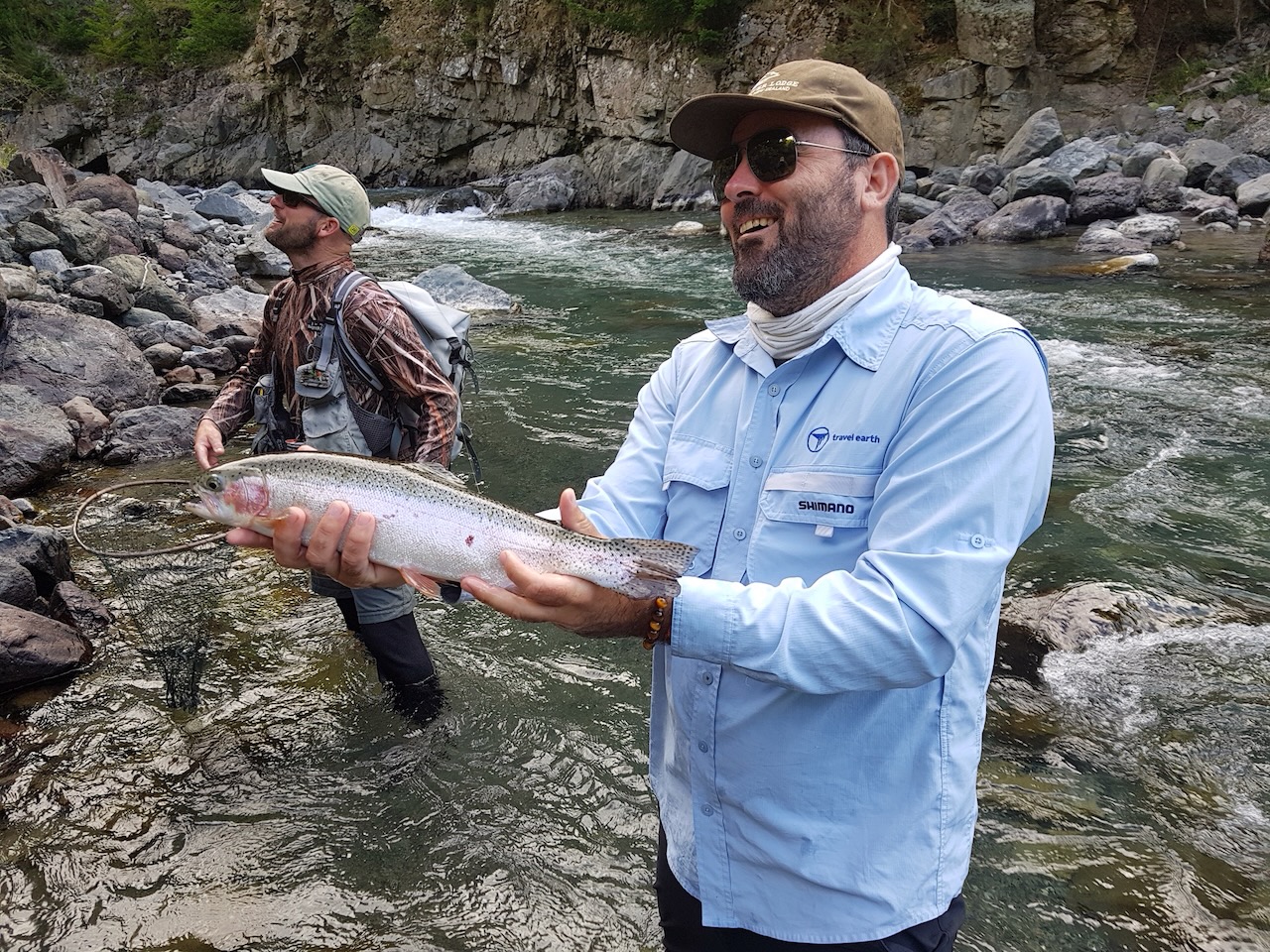
Here, you might spot a 5- to 10-pound behemoth holding in gin-clear currents, make that perfect cast, and watch it rise deliberately to your dry fly. It’s the kind of fishing that draws anglers from Montana to Maine, offering a stark contrast to our high-volume hatches back home. And with direct flights from LAX or SFO to Christchurch or Queenstown taking about 13 hours, it’s more accessible than you might think—perfect for escaping a brutal U.S. winter during their prime summer season (December to February).
A Dramatic Landscape That Demands Respect
The South Island’s backbone is the Southern Alps, a rugged chain rivaling the Tetons or Sierra Nevada in drama but with a Kiwi twist—think emerald rainforests, turquoise braids of water, and snow-capped summits that influence every aspect of the fishery.


Rivers like the Mataura (famous for its prolific mayfly hatches, akin to our Green Drakes but on steroids) or the Oreti carve through this terrain, shaped by glacial melt and unpredictable weather. For Americans used to predictable forecasts, here’s a heads-up: Conditions flip fast. A sunny morning can turn to wind-whipped rain by afternoon.
The Art of Sight Fishing: Stalk, Spot, and Strike
Forget blind casting into riffles like on the Bighorn—this is precision hunting, where spotting fish from afar is the thrill. Trout densities are low (think one fish per mile in some backcountry spots), but the water’s clarity—often 20-30 feet of visibility—lets you play detective.

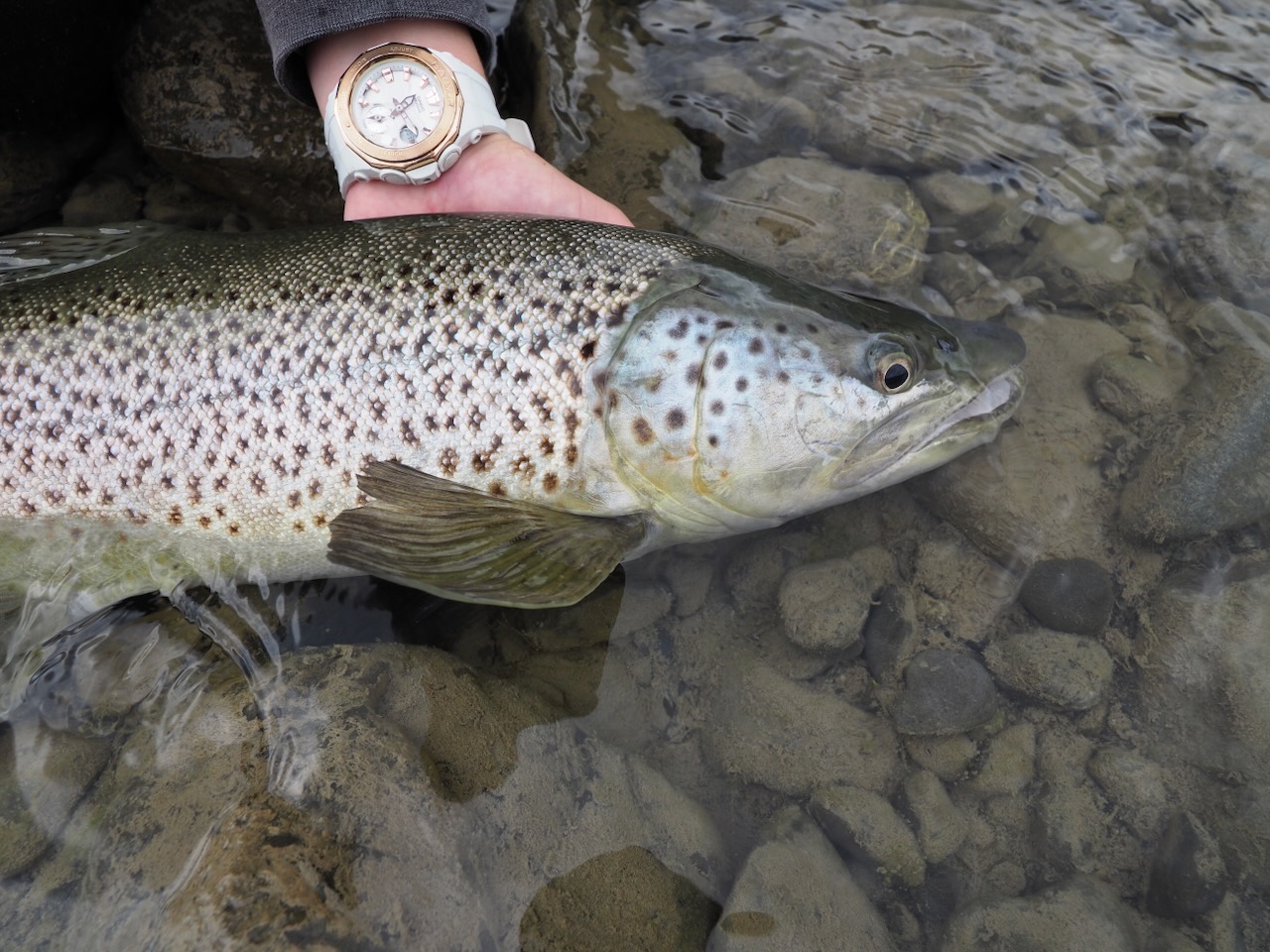
Water so clear it feels like the fish is suspended in air.
American anglers often compare it to bonefishing on flats, but with beefier quarry. Walk slowly, scan for shadows or subtle sways in current seams, and remember: these fish spook easier than a pressured Colorado tailwater trout. A botched approach? Game over.
Decoding Kiwi Trout: Opportunists in a Sparse World
With lower insect biomass than, say, Pennsylvania’s limestone streams, South Island trout are opportunistic feeders, taking dries, nymphs, or terrestrials like blowflies (NZ’s grasshopper equivalent). But presentation reigns supreme—drag-free drifts are key, as these fish inspect flies like skeptical Eastern brookies.


Some trout here exhibit “mouse-mania” during summer nights, smashing rodent patterns in a frenzy that’s become legendary—think Alaska’s mouse fishing, but on steroids. And for trophies, head to the Eglinton or Travers rivers, where 10-pounders lurk in glacier-fed pools.
Patience Pays Off: Tips for Your Kiwi Quest
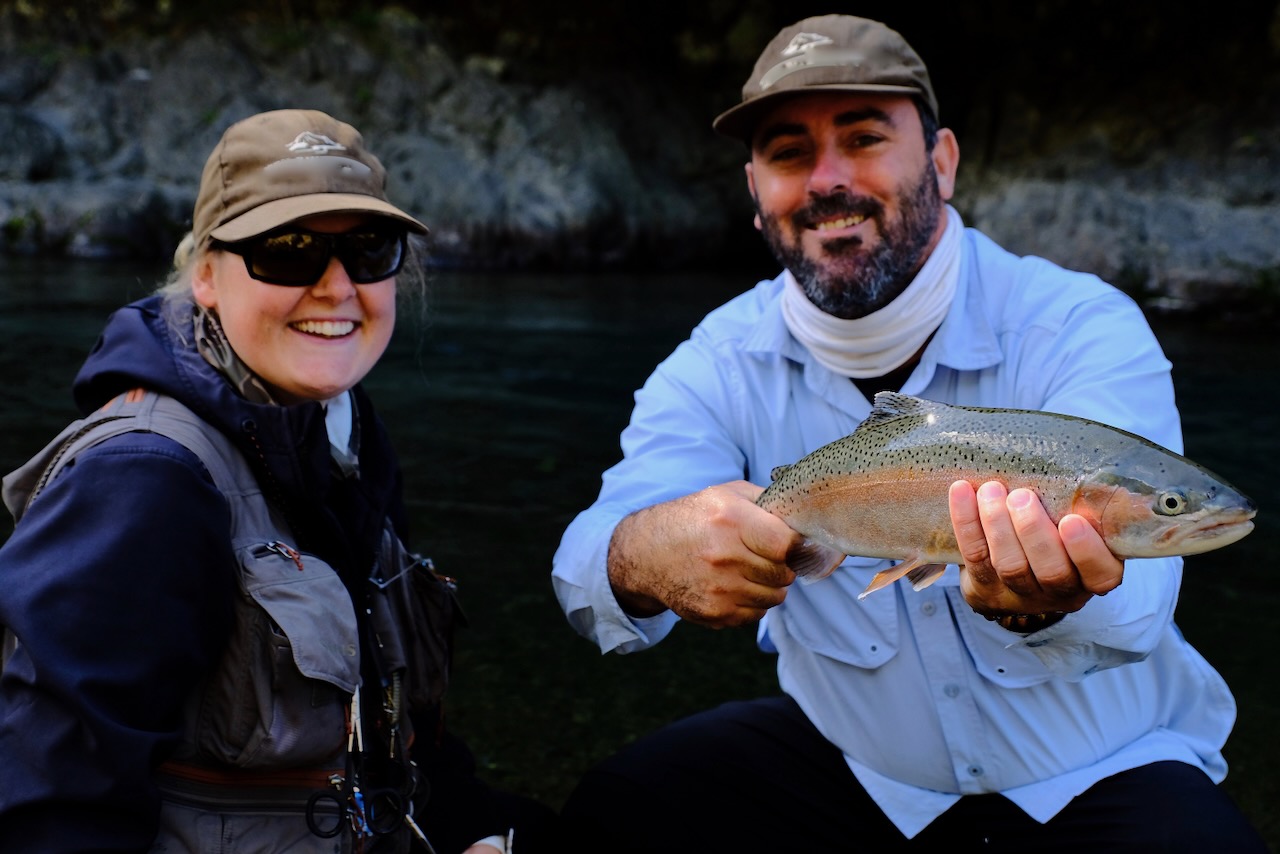
This isn’t a numbers game; a good day might yield 1-3 fish, but each is a story worth retelling at the lodge bar. Take time to observe—watch a trout’s feeding rhythm before casting, much like patterning risers on the Missouri.
Pro Planning Tips:
- Timing: Aim for January-March for peak dry-fly action.
- Gear: 5-6 weight rod is standard, but pack a 7 for the wind.
- License: Grab a $130 NZ fishing license online before you land.
- Local Knowledge: Hire a guide to bridge the cultural gap and find the “secret” spots.
.jpeg)
Why South Island Calls to Us
In a world of stocked streams and crowded access points back home, New Zealand’s South Island offers pure, unadulterated fly fishing—solitude amid jaw-dropping scenery, challenges that hone your skills, and fish that redefine “trophy.”
It’s not easy (helicopters optional, patience mandatory), but the rewards? Unforgettable. Pack your passport, tie some extra cicadas, and prepare for the trip of a lifetime.
Ready to find your double-digit Brown?
Contact FishingEarth today to start planning your 2026 New Zealand adventure.
Inquire About NZ Charters